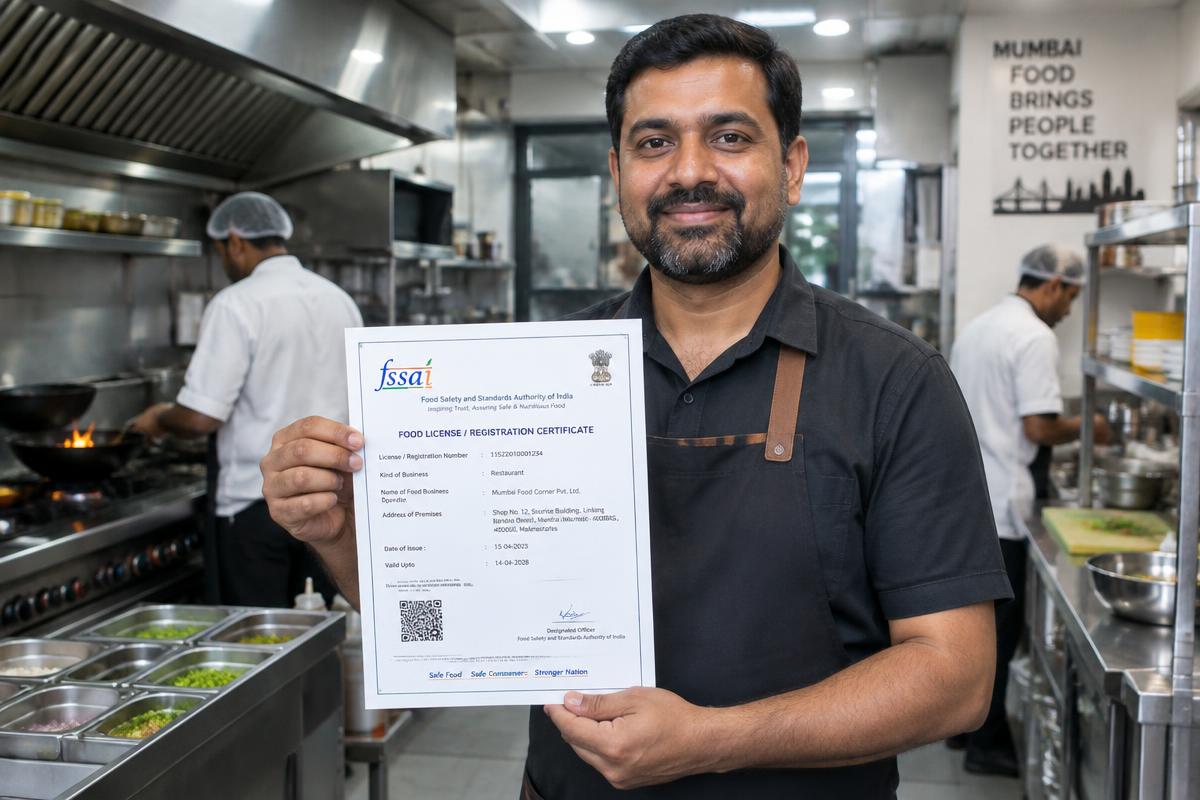
Start with the decision, not the product
Food licence eligibility depends on the actual kinds of business and current FoSCoS criteria.
This service is offered to restaurants, cloud kitchens and food traders. That audience description is not a legal eligibility test. Identify your actual objective, such as a suitable business structure, reliable reporting, a specific registration or a response to a notice.
The facts your adviser needs
Prepare premises details, activity descriptions and the document list for the selected business category.
Explain your entity, activities, locations, relevant period and any planned changes. Also disclose existing applications, filings or advisers so duplicated work and conflicting instructions can be avoided.
Ask about alternatives and trade-offs
Ask whether a narrower engagement, a different structure or better internal records would meet the same objective. Compare ongoing obligations as well as the first task. If a requirement is statutory, ask the adviser to identify the applicable official rule and relevant exceptions.
A generic licence selected only by a headline turnover rule can miss activity-specific requirements.
Make the readiness assessment concrete
Use the official eligibility tools, select the right activities and plan application or modification support.
Separate items you can resolve internally from those needing professional judgement or external approval. Record the dependencies and consider whether your team has enough capacity to maintain the resulting process.
Choose a next step you can verify
Have all manufacturing, storage, retail or food-service activities been assessed?
Separate registration or licence work from testing, other local permissions and delivery-platform onboarding.
Request a written recommendation that explains assumptions and the proposed scope. Where current eligibility or regulatory interpretation is uncertain, obtain case-specific advice before spending money or acting.
How to use this resource