The illustrative scenario
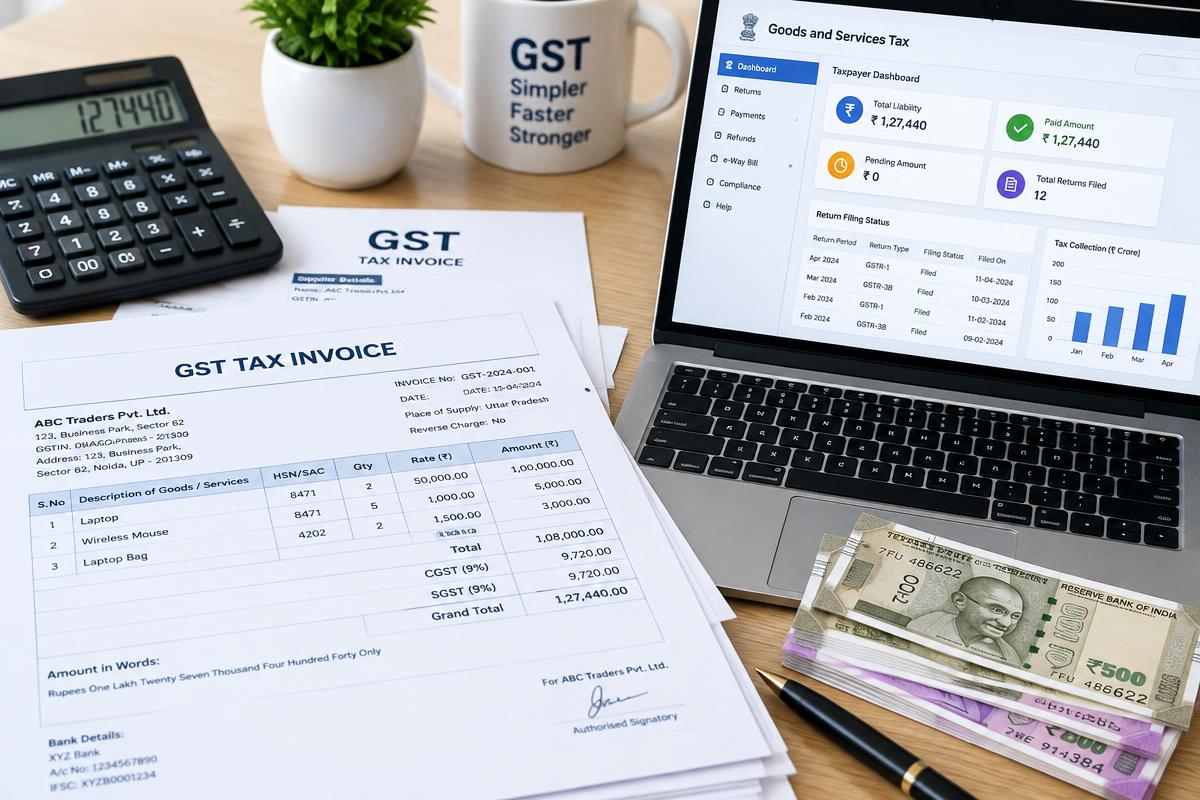
A retailer selling through multiple channels needs channel settlements matched to invoices before each return cycle.
This is a planning illustration, not a client story or a promised result. Your transaction facts, entity and applicable rules can produce a different recommendation.
Identify what needs deciding
Return preparation should begin with reconciled invoices rather than copying ledger totals.
Missing credit notes or unexplained purchase mismatches can affect reported liabilities and credit claims.
Write the question in business terms and separate what you know from assumptions. The adviser should explain which missing facts could materially change the proposed approach.
Gather evidence for the decision
Assemble sales, purchases, credit notes, advances and bank records for the relevant return period.
Build a dated record of the facts and explain any inconsistent records. Keep originals and identify the source of each estimate; forecasts and actual financial results should not be presented as the same thing.
Turn the assessment into an action plan
Reconcile outward supplies and portal purchase data before approving the return and tax payment.
Specify return types, transaction volume, reconciliation depth and notice support in the retainer.
For each action, agree its owner, dependency and completion evidence. Obtain approval before a material decision is implemented and plan for possible requests for additional records.
Check the result and continuing responsibilities
Keep filed returns, payment evidence and a period-wise unresolved-items register.
Will I receive a reconciliation report and approve the final figures before filing?
Review what remains outside the assignment, including future compliance and recordkeeping. Request advice tailored to the actual facts rather than using this illustration as an instruction to file or transact.
How to use this resource