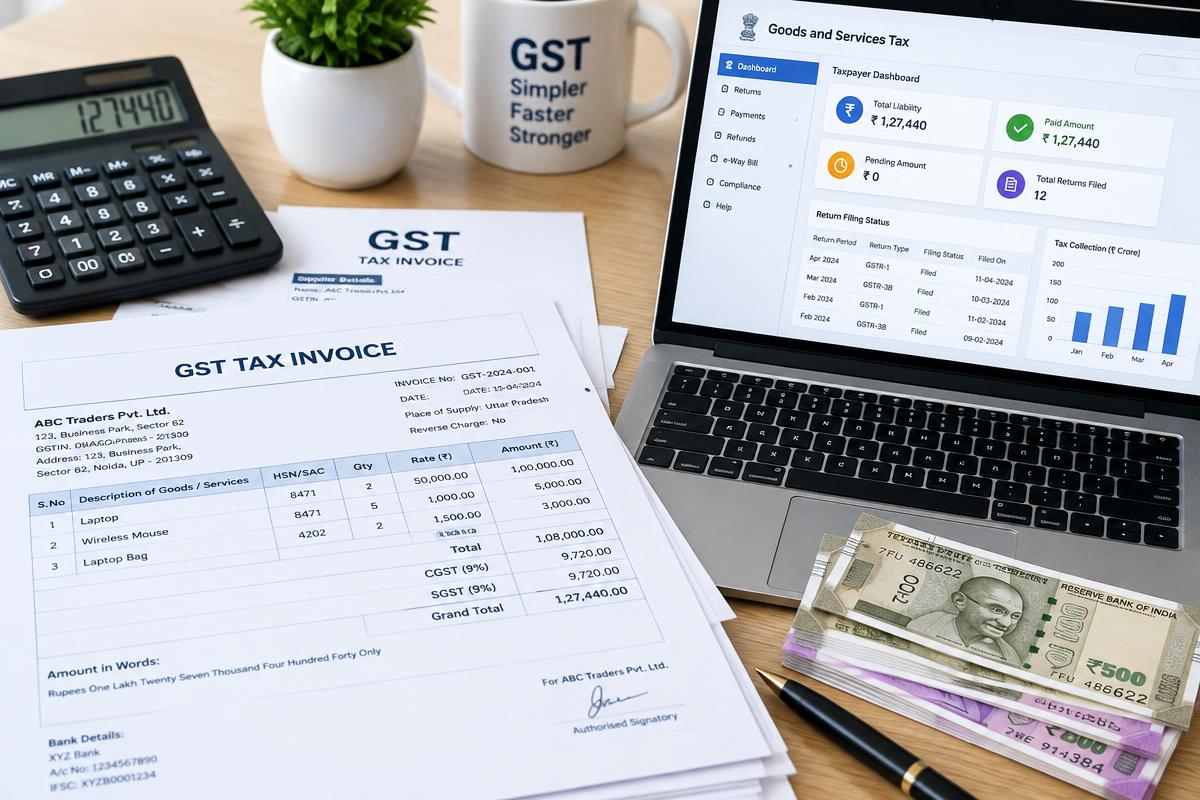
The service-specific risk to address first
Missing credit notes or unexplained purchase mismatches can affect reported liabilities and credit claims.
A retailer selling through multiple channels needs channel settlements matched to invoices before each return cycle.
Mistake 1: assuming the same rule applies to everyone
Return preparation should begin with reconciled invoices rather than copying ledger totals.
Entity type, business activities, transaction facts and the relevant period can change the answer. Before using a checklist or a headline rule, ask which facts make it applicable to you. Verify current official requirements rather than copying an old article.
Mistake 2: sending records that do not reconcile
Assemble sales, purchases, credit notes, advances and bank records for the relevant return period.
Flag mismatches and missing items before the adviser starts. Never overwrite an original record simply to make totals match. Preserve an explanation of corrections so the final position can be traced back to its evidence.
Mistake 3: confusing one task with full compliance
Specify return types, transaction volume, reconciliation depth and notice support in the retainer.
An incorporation, registration, return or report is a particular deliverable. Other permissions, recurring obligations and implementation work may remain. Ask for a written list of what the engagement does not cover.
What to do if work is already wrong
Preserve the original submission or report and ask for an assessment of the available correction route. Do not submit a duplicate application or ignore a communication without checking the consequences. Identify the issue, relevant period and supporting evidence.
Will I receive a reconciliation report and approve the final figures before filing?
Keep filed returns, payment evidence and a period-wise unresolved-items register.
How to use this resource